

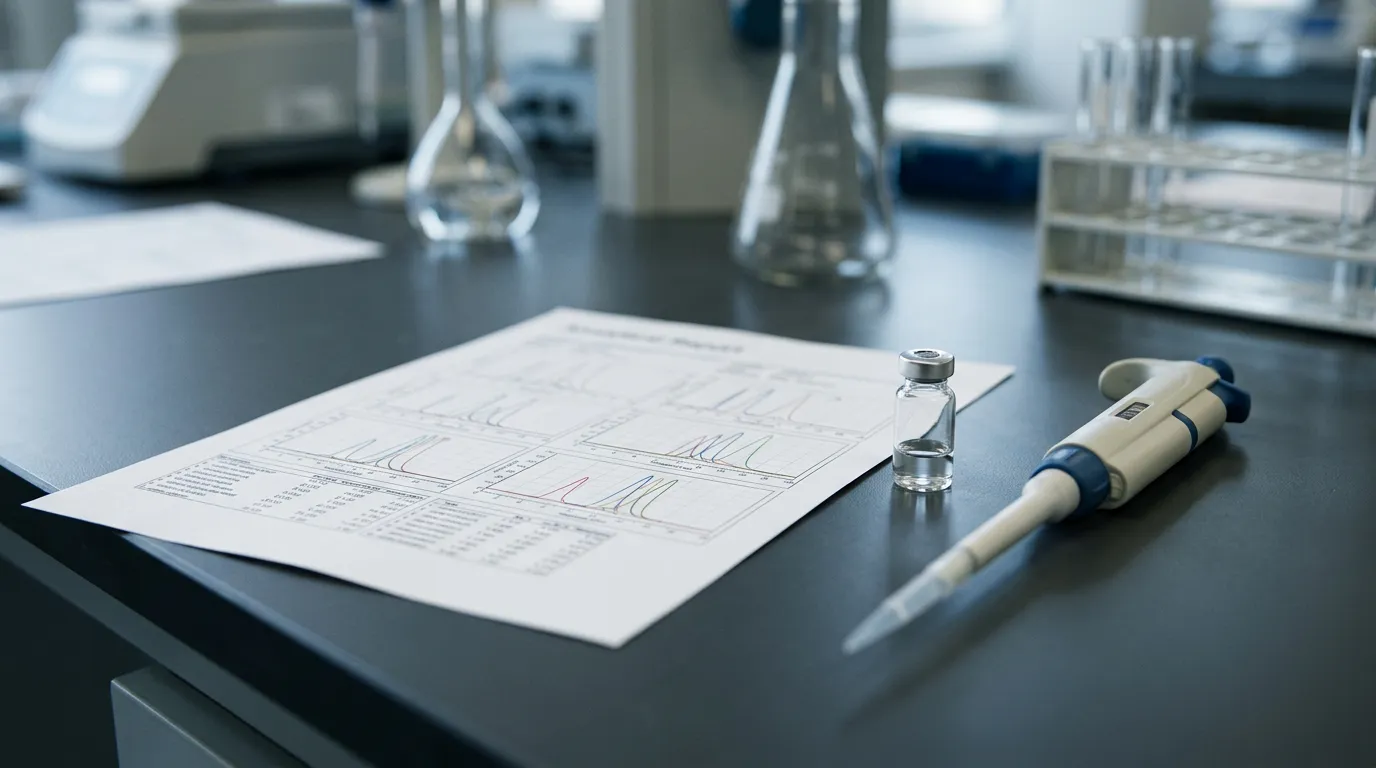
A certificate of analysis is the formal link between a cannabinoid sample and the laboratory that examined it. It translates the output of analytical instruments into a structured document that states what a sample contains and whether it meets defined specifications. For anyone working with or studying cannabinoids, the certificate of analysis is where chemistry becomes documentation, and understanding how it is produced and read is essential to interpreting it correctly.
This article explains how cannabinoid certificates of analysis are generated, what each part of the report means and how to interpret the results critically. For readers who want to see what documented, lab-tested products look like in practice, you can get High Society CBD, one source that provides tested products. The approach here is analytical throughout, focused on the science of testing and documentation rather than any health claim.
What a certificate of analysis represents
A certificate of analysis, commonly shortened to COA, is the official report a laboratory issues after testing a sample. It is not a marketing document but a technical record, and treating it as such is the key to using it well.
What is the purpose of a COA?
The purpose of a certificate of analysis is to record, in a standardised form, the findings of laboratory testing on a specific sample. It documents the identity and quantity of the compounds detected and, in a complete report, whether contaminants fall within defined limits. Its value lies in turning instrumental measurements into a clear, comparable statement that others can read and verify. The COA is, in effect, the formal evidence that a sample was analysed and what that analysis found.
Why does the issuing laboratory matter?
The credibility of a certificate depends heavily on who produced it. A report from an independent laboratory, one with no commercial stake in the outcome, carries more weight than internal testing, because independence removes any incentive to present a flattering result. The reputation, methods and accreditation of the issuing lab all bear on how much confidence the certificate deserves. A certificate is only as trustworthy as the laboratory behind it, which is why the source of the report is one of the first things to consider.
How a certificate of analysis is produced
Behind every certificate lies a sequence of laboratory steps, from receiving the sample to generating the final report. Understanding this process clarifies what the document actually reflects.
How does a sample become a result?
The process begins when a laboratory receives a sample and records its details. The sample is then prepared for analysis, a step that can involve dissolving, diluting or otherwise processing it so it is suitable for the instruments used. It is then analysed using established methods, and the raw data produced by the instruments is processed and interpreted by analysts. Only after this does the result take shape. Each stage introduces requirements for care, because errors in preparation or handling can affect the final numbers.
Which analytical methods generate the data?
The data in a certificate comes from recognised analytical techniques chosen to suit each question. Cannabinoid quantification typically relies on chromatographic methods that separate and measure individual compounds, while other techniques confirm molecular identity or detect contaminants. These are the same families of methods used across analytical chemistry, applied to the particular difficulty of distinguishing closely related cannabinoids. The quality of a certificate depends directly on the appropriateness and rigour of the methods behind it, which is why serious reports often state the methods used.
Reading a certificate critically
A certificate is only useful to someone who can read it properly. Several elements must be checked together, and knowing what each one tells you turns the document from a reassurance into a genuine verification.
How do you check the cannabinoid profile?
The core of the certificate is the cannabinoid profile, which lists the compounds detected and their concentrations. This is where the stated content can be compared against what a product claims, and where the proportions of different cannabinoids become visible. Reading this section means looking not only at whether a compound is present but at how much, and whether the figures are consistent with expectations. A discrepancy between the certificate and the label is exactly the kind of issue a careful reading is meant to catch.
Why are batch numbers and dates essential?
A certificate is only meaningful if it relates to the specific sample in question, and this connection is made through a batch or lot number and a date. The batch number ties the report to a particular production run, while the date situates the result in time, which matters because cannabinoid composition can change as compounds degrade. A certificate with no batch reference cannot be linked to a specific product, and one with no date gives no sense of how current it is. These identifiers are what make a report traceable rather than generic.
Why certificates of analysis underpin credible work
Certificates of analysis are the point where cannabinoid chemistry becomes accountable. They allow the composition of a sample to be stated, compared and verified rather than assumed, and they make it possible for different parties to rely on the same documented evidence. A well-produced certificate, issued by an independent laboratory, tied to a specific batch and dated, transforms an invisible chemical composition into something that can be examined and trusted. For researchers, producers and informed readers alike, learning to read these documents critically is what separates genuine verification from taking a claim on faith, and it is central to any serious engagement with cannabinoid products.